
Award-Winning Wildlife Photography Tips: From Sightings to Storytelling Guide by Jayanta Guha


Introduction: A Great Sighting Isn’t Enough
Every wildlife photographer remembers that one moment, be it a tiger walking straight towards you in Tadoba National Park, a misty rhino encounter in Kaziranga National Park, or a dramatic river crossing in Massai Mara. But here’s the truth most people don’t talk about:
Great sightings don’t win awards. Great stories do.
The difference between a record shot and an award-winning image lies in emotion, intent, and storytelling. In this guide, I’ll break down how you can transform your wildlife photographs into powerful visual stories that stand out in competitions and exhibitions.

1. Understand the Story Before You Press the Shutter
Award-winning images often answer one question: 👉 What is happening here?
Before clicking, observe:
Is there tension? (predator vs prey)
Is there emotion? (eye contact, struggle, care)
Is there behavior? (hunting, feeding, interaction)
On my workshops, I often tell participants to wait and observe before shooting. The best frames come after understanding behavior—not before.
Pro Tip: Don’t shoot immediately. Watch. Anticipate. Let the story unfold.

2. Focus on Emotion & Connection
Emotion is what separates a good image from a memorable one.
Look for:
Eye contact
Intimate moments (mother & young)
Vulnerability or power
In guided sessions, I help photographers identify these moments in real-time—because most people miss them while chasing sightings.
Why it matters: Judges and viewers connect emotionally first, technically later.

3. Light is Your Biggest Storytelling Tool
Light creates mood, depth, and drama.
Golden light → warmth, magic
Backlight → drama, silhouettes, dust glow
Soft light/mist → mystery
Award-winning tip: Even a common subject becomes extraordinary in exceptional light.
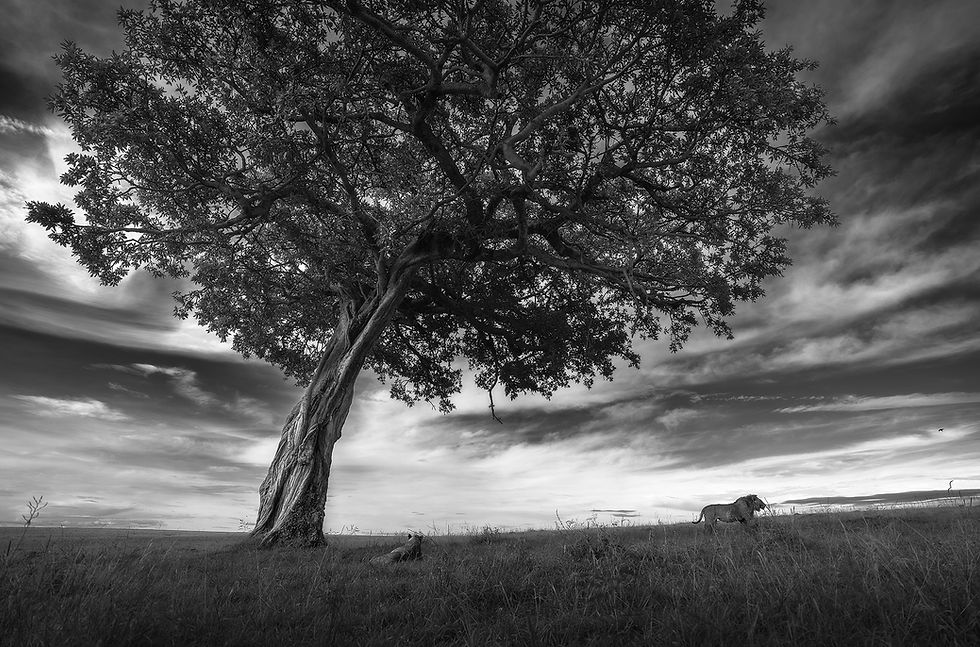
4. Composition: Simplify to Amplify Impact
Clutter kills impact.
Focus on:
Clean backgrounds
Subject isolation
Different Rules such as Rules of thirds / negative space / golden ratio
Ask yourself: 👉 Does everything in my frame add to the story?
If not, remove it (change angle, zoom, reposition).

5. Capture Behavior, Not Just Presence
A sitting animal is documentation. An animal in action is storytelling.
Look for:
Hunting sequences
Interaction between animals
Unique or rare behavior
In my private workshops, we often stay longer with a subject to anticipate behavior; this is where the magic happens.
Reality check: You may need hours—or days—of patience for seconds of magic.

6. Perspective Changes Everything
Your angle defines your story.
Eye-level → intimacy
Low angle → power, dominance
Wide angle → subject + habitat storytelling
Avoid the common mistake: Shooting everything from jeep eye-level.
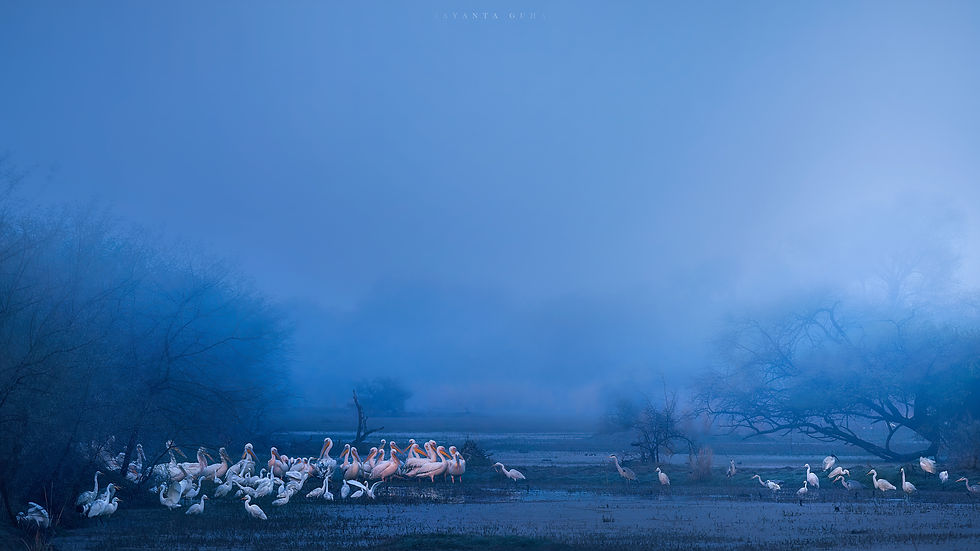
7. Background & Environment Matter
Award-winning images often show context, not just the subject.
Include habitat
Use background to enhance mood
Avoid distractions (bright patches, clutter)
Remember: You’re not just photographing an animal; you’re telling its story.

8. Timing: The Decisive Moment
Timing is everything. You blinked; you missed the moment.
Wings fully spread
Eye contact at peak moment
Action at its climax
This is one of the biggest differences I see between beginners and advanced photographers during workshops.
Pro Tip: Use burst mode, but more importantly, learn to anticipate behavior.

9. Post-Processing: Enhance, Don’t Fake
Editing should support the story, not overpower it.
Adjust exposure, contrast, colors subtly
Maintain natural look
Avoid over-sharpening or fake elements
Judges notice authenticity. Always.

10. Think Like a Judge
When submitting to competitions, ask:
Is this image unique?
Does it evoke emotion?
Is the story clear without explanation?
Is the composition clean and intentional?
If possible, check the portfolios of the judges; you will get an idea. Check previous winners but don't try to copy them; try to understand what that competition focused on. If your image makes someone pause, you’re on the right track.
Award winning wildlife photography tips - Conclusion
The journey from sightings to storytelling is what defines your growth as a wildlife photographer.
The more you will be staying in touch with your camera, the more you will visit the forest, and you will create more opportunities.
Anyone can capture a tiger. Very few can capture a moment that speaks.
If you want to consistently create award-winning images:
Be patient
Observe deeply
Shoot with intent
And most importantly—tell a story
Remember, you can create your best award-winning images from your local area, at your home, as you will have more scope and a controlled environment. Nowadays, most of the award-winning images are from hides, private reserves, trap cameras, and conservation. If you check closely, most of these categories are controlled environments. Bitter truth!!

Want to Learn This in the Field?
If you’re serious about improving your wildlife photography and storytelling, joining a guided workshop with real-time mentorship can fast-track your learning. I tried to mention some award winning wildlife photography tips; however, In my workshops, I focus not just on sightings but also on:
Seeing differently
Thinking like a storyteller
Creating competition-worthy images
👉 Explore upcoming wildlife photography workshops and start your journey from clicking photos to creating stories.
🌿 Popular Workshops
Tadoba Wildlife Photography Workshop → Tiger Tracking Experience
Kaziranga Wildlife Photography Workshop → Composition Learning Workshop
Mangalajodi Wildlife Photography Workshop → Action And Creative Workshop
Little Rann of Kutch Wildlife Photography Workshop → Fine art Workshop
Bharatpur Creative Photography Workshop → Creative Photography Workshop
Kenya Wildlife Photography Workshop → Fine art and ACtion Photography Workshop
🎯 Personalized Learning
Private 1:1 Mentorship → Basic to Advanced level Photography workshop with personal guidance


Comments